October may bring cooler mornings to The Woodlands, Texas, but ear problems can still be a concern for dogs and cats. Seasonal allergies may continue into fall, humidity can linger, and moisture from bathing, grooming, swimming, or rainy weather can stay trapped in the ears. For some pets, that combination creates the perfect setup for irritation, yeast overgrowth, or bacterial infection.
At Forest Crossing Animal Hospital, we often see pets whose first sign of trouble is frequent head shaking or scratching at one ear. These behaviors are easy to dismiss if your pet seems fine otherwise. But ear discomfort can worsen quickly, and recurring infections often point to a deeper issue such as allergies or chronic inflammation. Knowing what to watch for can help you get your pet relief before a minor problem becomes painful.
Why Moisture Can Trigger Ear Problems
A healthy ear has its own balance of moisture, wax, and normal microorganisms. When that balance changes, yeast or bacteria may begin to overgrow. Moisture is a common trigger because it creates a warm, damp environment inside the ear canal.
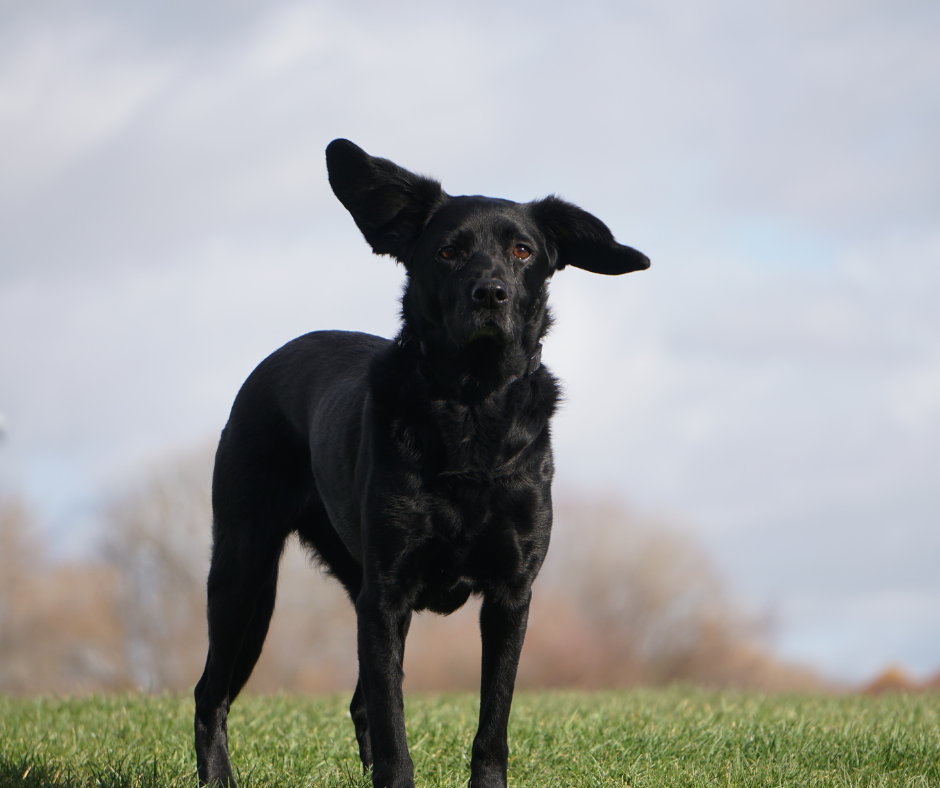
Dogs with floppy ears, narrow ear canals, thick hair around the ears, or a history of ear infections may be especially vulnerable. Water can become trapped after baths, swimming, grooming, or time outside in humid conditions. Even if the outer ear looks dry, the deeper canal may still hold enough moisture to cause irritation.
That does not mean every pet needs frequent ear cleaning. Over-cleaning or using the wrong product can irritate sensitive ears. If your pet is prone to infections, Forest Crossing Animal Hospital can help determine whether a routine ear cleaner is appropriate and how often it should be used.
Yeast and Bacterial Infections Can Look Similar
Yeast and bacterial ear infections can cause many of the same signs, so it is difficult to tell the difference at home. Both may lead to redness, odor, discharge, itching, and discomfort. Some pets shake their heads constantly, while others scratch at the ear or pull away when the area is touched.
A strong or musty odor can be a clue that yeast is involved, while some bacterial infections may produce thicker or unusual discharge. However, appearance alone is not enough to know what treatment is needed. Using leftover medication from a previous infection can be risky because the cause may be different this time.
Common warning signs include:
- frequent head shaking or ear scratching
- redness, swelling, or sensitivity
- dark debris, discharge, or a strong odor
- rubbing the side of the face on furniture
- reluctance to have the ears touched
A veterinary exam allows the ear canal to be evaluated and helps identify whether yeast, bacteria, inflammation, or another issue is responsible. The right diagnosis matters because treatment needs to match the cause.
Seasonal Allergies Often Show Up in the Ears
Environmental allergies are a major reason some pets develop ear infections repeatedly. The ear canal is lined with skin, so when a pet reacts to pollen, grasses, molds, or other allergens, the ears can become inflamed just like the paws, belly, or face.
In October, allergy symptoms may still be active in Texas even as the season changes. A dog who spent September licking their paws or scratching their skin may start shaking their head more as inflammation builds in the ears. Once the ear canal becomes irritated, yeast and bacteria have an easier time multiplying.
This is why repeated ear infections should not always be viewed as isolated problems. If an infection clears and then returns a few weeks or months later, allergies may be contributing. At Forest Crossing Animal Hospital, we look at the full pattern, including skin symptoms, seasonality, previous infections, and how often problems return. Managing the underlying allergy may help reduce future flare-ups instead of simply treating each infection as it appears.
When Head Shaking Needs Veterinary Attention
An occasional head shake after waking up or coming in from outside is not always a concern. Persistent or forceful head shaking, however, usually means something is bothering the ear. Waiting too long can allow inflammation and infection to worsen, and intense shaking can sometimes lead to swelling of the ear flap.
Schedule a veterinary visit if your pet has ongoing head shaking, repeated scratching, noticeable odor, discharge, redness, or pain. Sudden balance problems, a head tilt, vomiting, severe discomfort, or difficulty walking should be treated as more urgent signs because they may indicate a deeper ear problem.
Do not insert cotton swabs deep into the ear canal, and avoid putting home remedies or random cleaning products into an irritated ear. If the eardrum is damaged or the canal is already inflamed, some products can make the problem worse. The safest approach is to have the ear examined before starting treatment.
Help Your Pet Find Relief This October
Ear infections can be uncomfortable and frustrating, especially when they keep coming back. The good news is that many ear problems respond well when the underlying cause is identified and treated early. Keeping ears dry after water exposure, watching for allergy flare-ups, and paying attention to odor, scratching, and head shaking can help you catch trouble sooner.
Forest Crossing Animal Hospital is here to help pets in The Woodlands, Texas stay comfortable through seasonal allergy and ear problems. If your dog or cat is shaking their head, scratching at their ears, developing an unusual odor, or dealing with recurring infections, call Forest Crossing Animal Hospital today or request an appointment online. Our team can examine the ears, identify the cause, and help your pet get the relief they need.