September may bring the first hints of fall, but in The Woodlands, Texas, summer heat often hangs on longer than the calendar suggests. Mornings may feel cooler, yet afternoons can still be hot, humid, and uncomfortable for pets. That lingering heat is easy to underestimate as families return to longer walks and busier routines.
At Forest Crossing Animal Hospital, we encourage pet owners to keep heat-safety habits in place through September. Dogs and cats can still become dehydrated, burn their paw pads, or overheat when temperatures remain high. With a little planning, you can help your pet stay comfortable and safe while enjoying the transition into fall.
Lingering Texas Heat Still Deserves Attention
September weather in Texas can be unpredictable. A cooler morning may turn into a very warm afternoon, and humidity can make it harder for pets to regulate body temperature. Dogs cool themselves mainly through panting, which becomes less effective when the air is hot and humid. Cats can also struggle, especially if they spend time in warm rooms, garages, patios, or sunny areas without good ventilation.
Some pets are more vulnerable than others. Senior pets, puppies and kittens, overweight animals, and pets with heart or breathing problems may overheat more quickly. Brachycephalic breeds such as Bulldogs, Pugs, Boston Terriers, and Persian cats also need extra caution because their airway structure can make cooling less efficient.
At Forest Crossing Animal Hospital, we often remind families that heat risk is about more than the temperature on a weather app. Direct sun, humidity, pavement, coat type, activity level, and overall health all affect how comfortable a pet feels. If your pet is slowing down, panting heavily, or looking for shade, take those signals seriously.
Hydration Matters Even When the Weather Feels Milder
Because September may feel less intense than July or August, it is easy to become less vigilant about water. But pets still lose fluid through panting, urination, and normal activity, and warm afternoons can increase those losses quickly. Fresh water should always be available, especially before and after walks or outdoor play.
If your dog is joining you on a walk or trail outing, bring water and offer it regularly instead of waiting until they seem thirsty. Outdoor water bowls should be checked often because they can warm up, tip over, or collect debris. Cats may need extra encouragement to drink, particularly if they are naturally low-volume drinkers.
Simple hydration habits can help:
- Keep multiple bowls of fresh water available.
- Bring a portable bowl on walks or outings.
- Offer water before and after exercise.
- Watch for changes in thirst, energy, or urination.
Dry or sticky gums, unusual tiredness, reduced interest in food, or weakness can all be signs that a pet is not staying well hydrated. If your pet cannot keep water down or seems very weak, contact your veterinary team promptly.
Hot Pavement Can Still Burn Paws in September
One of the easiest heat hazards to overlook is the ground itself. Sidewalks, asphalt, patios, and parking lots can stay dangerously hot even when the air feels more comfortable. Pets walk directly on those surfaces, so their paw pads can burn before owners realize there is a problem.
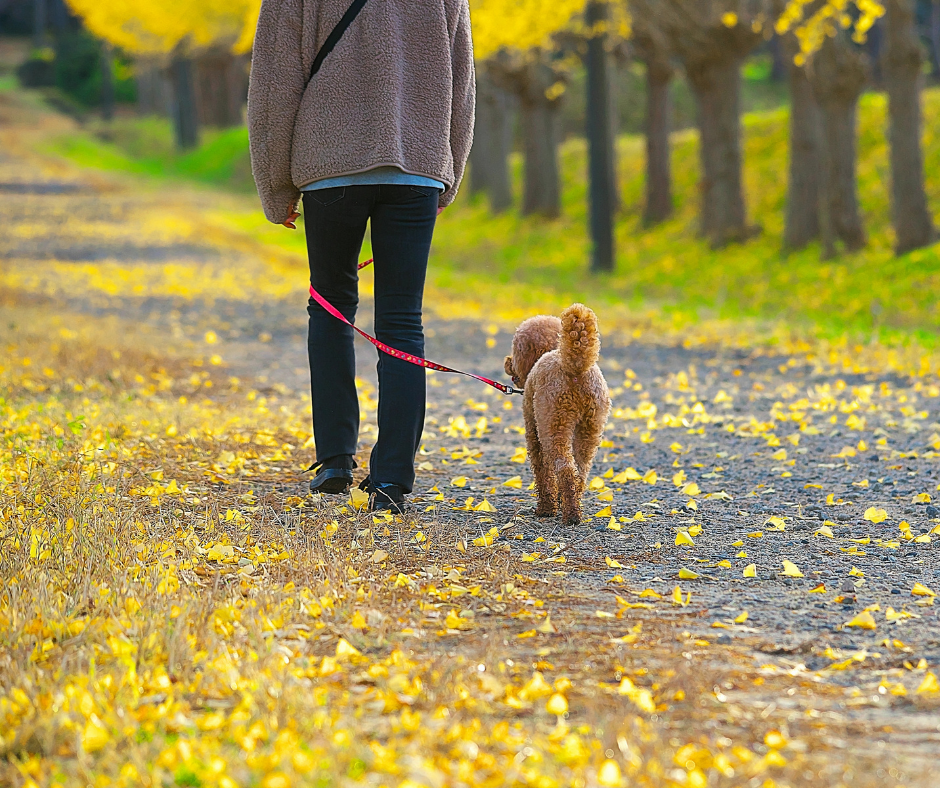
Before heading out, test the pavement with the back of your hand for several seconds. If it feels too hot for your skin, it is too hot for your pet. Early morning and later evening walks are usually safer, and shaded paths or grassy routes can reduce contact with heated surfaces.
Watch for limping, lifting the paws, licking or chewing the feet, redness, blistering, or reluctance to keep walking. These signs may point to paw pad irritation or burns. If you notice them, stop the activity and schedule a veterinary visit. Paw injuries can be painful and may need treatment.
Adjust Exercise to Match the Weather, Not the Calendar
Cooler mornings may make dogs eager to move more, but September is not always the right time to jump back into long walks, running, or intense play. Exercise should still be timed around the coolest parts of the day and adjusted based on how your pet handles the weather.
Instead of one long afternoon walk, consider shorter outings in the morning and evening. Indoor games, puzzle toys, training sessions, and shaded yard time can also help pets stay active without overexertion. Always build in breaks and let your pet set the pace.
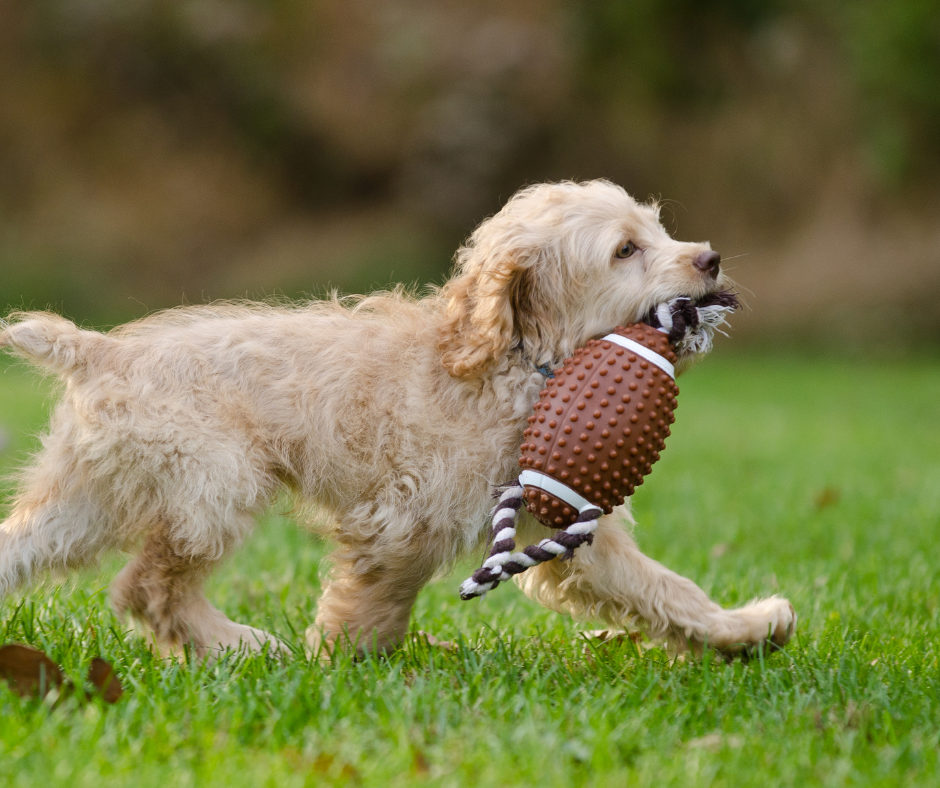
It is especially important to watch pets who get excited and keep going even when they are tired. Some dogs will chase a ball or hike beyond their safe limit simply because they are having fun. Your job is to recognize when enthusiasm is masking fatigue.
Know the Warning Signs of Heat Stress
Heat stress can worsen quickly, so early recognition matters. Watch for:
- Excessive or frantic panting
- Heavy drooling, weakness, or stumbling
- Vomiting, diarrhea, or confusion
- Bright red, pale, or bluish gums
- Collapse, seizures, or inability to stand
If these signs appear, move your pet to a cooler area immediately, offer small amounts of water if they are alert, and seek veterinary care right away. Do not use ice-cold water or force your pet to drink. Heat-related illness can become life-threatening even if a pet seems to improve briefly.
Forest Crossing Animal Hospital is here to help pets in The Woodlands, Texas stay safe as summer slowly gives way to fall. If you have concerns about hydration, exercise tolerance, paw safety, or signs of heat stress, call Forest Crossing Animal Hospital today or request an appointment online. Our team can help your pet move into the new season safely and comfortably.