July is a busy month for families in The Woodlands, Texas. Summer travel, backyard gatherings, fireworks, visitors, and open doors can all create escape risks for pets. Even a dog or cat who normally stays close to home may panic, slip through a door, or wander away when routines change.
That is why National Lost Pet Prevention Month is a helpful reminder to review your pet’s identification and safety plan. At Forest Crossing Animal Hospital, we encourage pet owners to think about lost pet prevention before a stressful moment happens. Microchips, ID tags, updated contact information, and simple home precautions can make a tremendous difference if your pet ever becomes separated from you.
Why July Can Be Risky for Pets
July creates a perfect mix of situations that can lead to lost pets. Fireworks are one of the biggest triggers. Sudden loud noises can frighten dogs and cats, causing them to bolt, hide, scratch at doors, or push through weak spots in fences. Some pets panic even if fireworks are happening several streets away, and once they are scared, they may not respond to their name.
Gatherings can also increase risk. Guests may leave doors or gates open without realizing a pet is nearby. Children may run in and out of the house, delivery drivers may come to the door, and pets may become overwhelmed by noise and activity. Travel adds concern because pets may be in unfamiliar places, staying with sitters, boarding, or riding in and out of cars.
In The Woodlands, summer storms can also startle pets. Thunder, wind, and heavy rain may cause the same kind of fear response as fireworks. Because July routines are often less predictable, this is the right time to make sure your pet has reliable identification and a plan to stay secure.
Microchips and ID Tags Work Best Together
A collar with an ID tag is one of the fastest ways for someone to contact you if they find your pet. A visible phone number can help a neighbor, a good Samaritan, or a shelter reach you quickly. But collars can fall off, tags can become worn, and nervous pets may slip out of harnesses. That is why microchips are such an important backup.
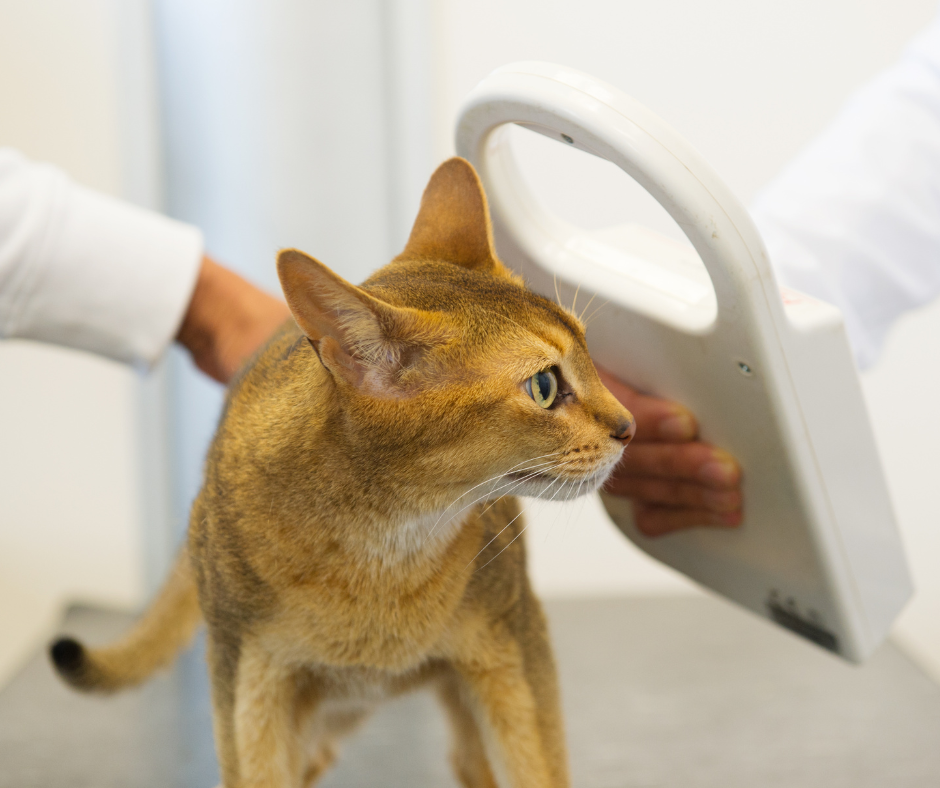
A microchip is a small, permanent form of identification placed under your pet’s skin. If your pet is found and taken to a veterinary hospital or animal shelter, the chip can be scanned and connected to your registration information. However, a microchip only works if the contact details attached to it are current. If you have moved, changed phone numbers, or adopted a pet whose chip was registered to someone else, update that information as soon as possible.
At Forest Crossing Animal Hospital, we can help check whether your pet has a microchip and confirm that it scans properly.
Simple Steps to Reduce Escape Risks
Lost pet prevention works best when identification is paired with practical safety habits. Before fireworks, storms, travel, or gatherings, take time to think through where escape could happen.
Helpful precautions include:
- keeping pets indoors during fireworks and loud storms
- checking that collars, tags, gates, and fences are secure
- creating a quiet room with bedding, water, and familiar toys
- reminding guests not to leave doors or gates open
- using leashes, carriers, or crates during travel transitions
Many pets are lost during moments that last only a few seconds: a door opens, a gate does not latch, or a frightened pet bolts from a car. Planning ahead helps reduce those chances and makes stressful events easier to manage.
If your pet has noise anxiety, hides, shakes, pants, or tries to escape during fireworks or storms, discuss those behaviors with your veterinarian. Anxiety support, behavior strategies, and environmental changes can make July safer and calmer.
Keep Contact Information Current Before It Matters
One common problem with microchips is outdated information. A pet may have a working chip, but if the phone number or address on file is old, reuniting them with their family becomes much harder. National Lost Pet Prevention Month is the perfect yearly reminder to check those details.
This is especially important if you have recently moved, changed your phone number, adopted a pet, or changed emergency contacts. It is also worth making sure your pet’s ID tag is still readable and securely attached. If the engraving is worn down or the phone number is incorrect, replace it before summer travel begins.
Pet sitters and boarding facilities should also have current contact information, veterinary details, medication instructions, and emergency preferences. If your pet is staying somewhere else while you travel, make sure the caregiver knows what to do if they slip out or become frightened.
Let Forest Crossing Animal Hospital Help Keep Your Pet Protected
No one wants to imagine their pet getting lost, but preparation is one of the kindest things you can do for them. July brings fireworks, travel, visitors, open doors, and summer storms, all of which can create escape risks even for pets who are usually calm. With a microchip, current ID tags, updated contact information, and a thoughtful safety plan, you can improve the chances of a quick reunion if the unexpected happens.
At Forest Crossing Animal Hospital, we are proud to help pets in The Woodlands, Texas, stay safer through every season. If your pet needs a microchip, a microchip scan, or a wellness visit before summer travel or July celebrations, our team is here to help. Call Forest Crossing Animal Hospital today or request an appointment online to schedule your pet’s microchip check and make sure they are protected before the next big noise, trip, or gathering.