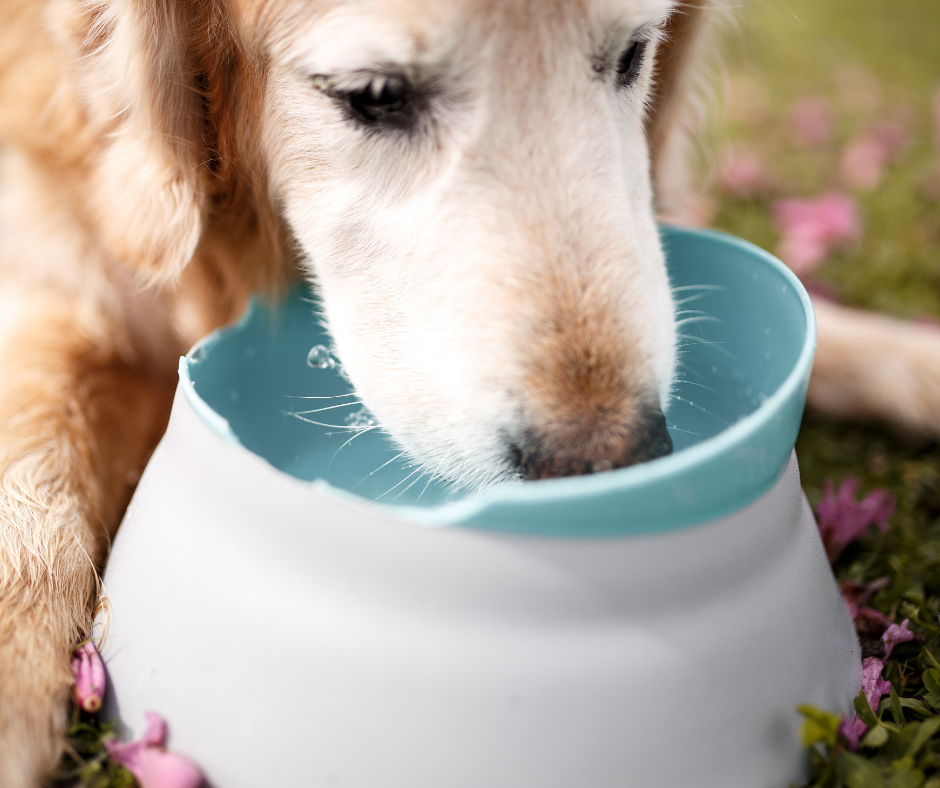
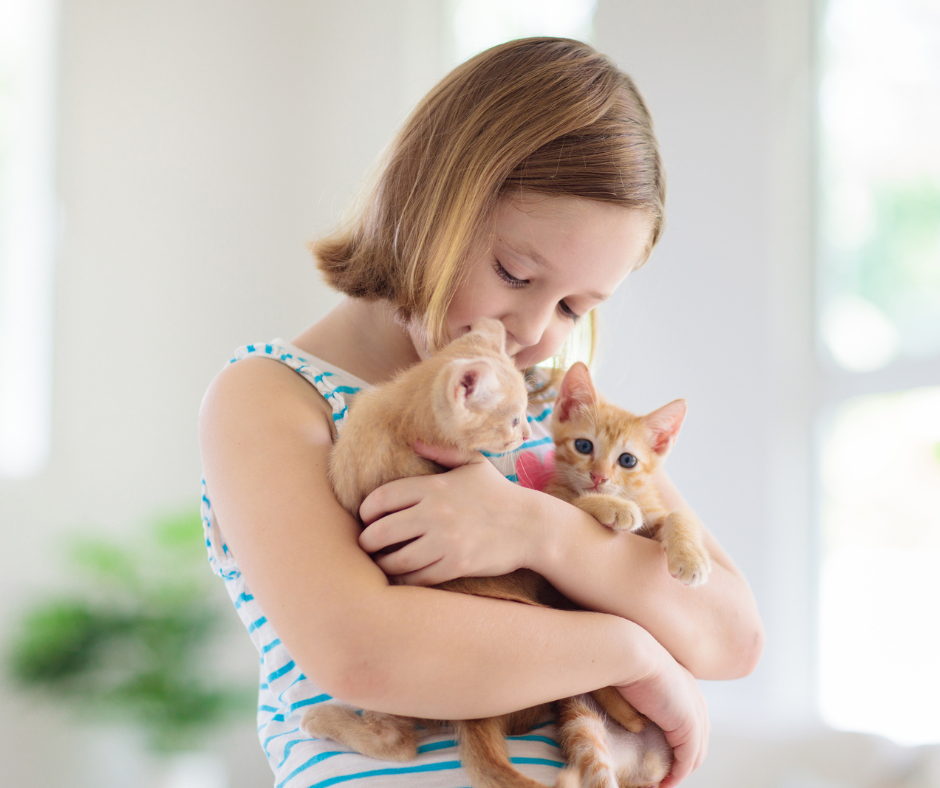
August in The Woodlands, Texas, can still feel like the middle of summer. Even as families begin shifting toward school routines and fall planning, pets are still dealing with heat, humidity, warm sidewalks, and long afternoons that can leave them uncomfortable faster than expected. One of the biggest late-summer concerns for dogs and cats is dehydration, especially when water intake does not keep up with heat exposure, exercise, illness, or age-related health changes.
At Forest Crossing Animal Hospital, we encourage pet owners to pay close attention to drinking habits during the hottest stretch of the year. Dehydration can be subtle at first, but it can become serious quickly, particularly in pets with kidney disease or other chronic conditions. Knowing what is normal for your pet, and when a change deserves veterinary attention, can help protect their comfort and overall health.
Why Late-Summer Heat Raises Dehydration Risk
Pets lose fluid through panting, urination, and normal body functions. During hot weather, dogs may pant more heavily to cool themselves, which can increase fluid loss. Cats may not pant as often, but they can still become dehydrated if they are not drinking enough or if they are spending time in warm rooms, garages, patios, or poorly ventilated spaces.
In Texas, humidity adds another challenge. Panting is less effective when the air is heavy and warm, so pets may work harder to cool down. A dog who takes a longer walk, plays outside, or rides in a warm car may need more water than usual. Even indoor pets can be affected if the house is warmer than normal or if they spend part of the day near sunny windows.
Because dehydration can build gradually, owners may not notice a problem right away. A pet may simply seem tired, less interested in food, or slower to recover after activity. By the time signs become obvious, they may already need help.
Vomiting and Diarrhea Can Make Dehydration Worse
Heat is not the only reason pets become dehydrated in late summer. Vomiting and diarrhea are major concerns because they cause the body to lose fluid quickly. A pet with stomach upset may also avoid eating or drinking, which makes the situation worse.
Some cases of mild digestive upset improve quickly, but repeated vomiting, frequent diarrhea, blood in the stool, weakness, or refusal to drink should never be ignored. Puppies, kittens, seniors, and small pets are especially vulnerable because they have less reserve. They can become dehydrated much faster than a healthy adult pet.
If your pet has vomiting or diarrhea during hot weather, monitor them closely and contact Forest Crossing Animal Hospital if symptoms continue or seem severe. Waiting too long can allow dehydration and electrolyte changes to become more dangerous.
Cats Often Drink Less Than They Should
Cats deserve special attention when it comes to hydration. Many cats are naturally low-volume drinkers, and some prefer running water, wide bowls, or water placed away from their food. Because cats can be picky about water sources, owners may not realize they are drinking too little until there are health consequences.
Hydration is especially important for cats with kidney concerns. The kidneys help regulate fluid balance and remove waste from the body. When a cat is dehydrated, the kidneys may be placed under extra strain. Senior cats and cats with known kidney disease may need closer monitoring, regular checkups, and guidance on diet and water intake.
You can encourage better hydration by offering multiple water bowls, cleaning bowls daily, trying a pet fountain, or asking your veterinarian whether wet food may be helpful. Any sudden increase or decrease in drinking should also be discussed with your veterinary team, since both can be signs of underlying health issues.
Warning Signs That Your Pet May Be Dehydrated
Dehydration can look different from pet to pet, but certain signs should get your attention. Some are mild at first, while others may point to a more urgent problem.
Watch for:
- dry or sticky gums
- sunken-looking eyes
- low energy, weakness, or collapse
- heavy panting that does not settle with rest
- poor appetite or refusal to drink
- vomiting, diarrhea, or inability to keep water down
- skin that does not quickly return to place when gently lifted
If your pet seems weak, confused, unable to stand, repeatedly vomiting, having diarrhea, or refusing water, seek veterinary care promptly. Do not force large amounts of water, especially if your pet is nauseous or not fully alert. Urgent signs can worsen quickly, and pets may need fluids, testing, or supportive care.
Supporting Healthy Hydration at Home
The best hydration habits are simple but consistent. Keep fresh water available at all times, refill outdoor bowls often, and bring water along for walks or car rides. Exercise should happen during cooler parts of the day, and pets should always have access to shade. For dogs, shorter walks with breaks are safer than long outings in late-summer heat.
At Forest Crossing Animal Hospital, we also recommend paying attention to what is normal for your pet. A sudden change in drinking, urination, appetite, or energy is worth checking, especially in older pets or those with chronic illness. If you are unsure whether your dog or cat is drinking enough, a wellness visit can help identify dehydration risk, kidney concerns, or other health issues before they become serious.
If you have concerns about your pet’s water intake, late-summer heat tolerance, vomiting, diarrhea, or possible dehydration, Forest Crossing Animal Hospital is here to help. Call us today or request an appointment online so our team can support your pet’s comfort, hydration, and health through the rest of the Texas summer.