April in The Woodlands, Texas, often brings greener yards, blooming plants, and more opportunities to enjoy the outdoors with your pet. It also tends to bring rainy days, muddy paths, damp grass, and puddles that seem impossible for dogs to resist. While a little wet weather fun can be harmless, repeated exposure to moisture can create problems for your pet’s skin, ears, and paws if it is not managed well.
That is especially true in a humid area like ours, where damp conditions can linger and create the perfect environment for irritation, yeast overgrowth, and infection. At Forest Crossing Animal Hospital, we often see pets in spring with itchy skin, red paws, and uncomfortable ears after a stretch of wet weather. The good news is that a few simple habits at home can go a long way toward keeping your pet comfortable. Knowing what to watch for can also help you decide when it is time to schedule a visit.
Why Damp Weather Can Cause Trouble for Pets
Moisture may not seem like a major issue at first, but when it stays trapped against the skin or inside the ears, it can lead to irritation surprisingly quickly. Pets who walk through wet grass, splash in puddles, or spend time lying on damp ground may not dry off as completely as owners expect. Fur can hold moisture close to the skin, especially in thick-coated dogs, between the toes, and around the ears.
That moisture matters because warm, damp areas are exactly where yeast and bacteria tend to thrive. A dog who comes home with muddy paws every day may begin licking at their feet more often. A pet with floppy ears may start shaking their head after repeated rainy walks. What begins as mild irritation can gradually turn into inflamed skin, an ear infection, or sore paw pads.
Spring can also layer in other triggers. Pets already prone to allergies may be more sensitive this time of year, and wet conditions can make those skin issues feel even worse. At Forest Crossing Animal Hospital, we often remind families that a rainy-season problem is not always “just mud.” Sometimes the moisture is what tips mildly sensitive skin into a true medical issue.
Ear Problems Often Start with Moisture and Build from There
A pet’s ears can be especially vulnerable during rainy months. Dogs with floppy ears, narrow ear canals, or a history of allergies are often more likely to develop ear irritation when moisture gets trapped. Even pets who are not swimming can run into trouble if their ears stay humid after walks in the rain or time outside in muggy weather.
An ear issue may start subtly. Your dog might shake their head a little more than usual or scratch near one ear after coming inside. As irritation builds, you may notice redness, odor, discharge, or increased sensitivity when touching the ears. Some pets become quieter than usual because ear discomfort can be constant and distracting.
It is important not to reach for random over-the-counter products without knowing what is causing the problem. Yeast, bacteria, allergies, and debris can all play a role, and the wrong treatment may make things worse or delay real relief. If your pet’s ears seem itchy, smelly, or painful, it is best to have them evaluated. Forest Crossing Animal Hospital can determine whether the issue is an infection, inflammation, or a more chronic allergy-related problem that needs a broader plan.
Muddy Paws Need More Attention Than a Quick Towel Wipe
Paws do a lot of work, and spring weather can be surprisingly tough on them. Mud, standing water, lawn residue, and rough debris can all collect between the toes and around the paw pads. When paws stay damp or dirty, pets often start licking them more, which adds even more moisture and irritation to the area.
Over time, this can lead to redness, swelling, odor, or the brownish staining that often comes from chronic licking. Some pets develop tender spots between the toes, while others end up with cracked or irritated paw pads from the constant cycle of wetness, mud, and friction. After rainy-day walks, a little extra care makes a difference.
A simple paw-care routine can help:
-
Gently wipe and dry your pet’s paws after walks, especially between the toes
-
Check for mud, burrs, pebbles, or debris stuck around the pads
-
Watch for redness, swelling, limping, or persistent licking
-
Keep the fur around the paws neatly trimmed if your pet tends to collect mud easily
These small steps can reduce irritation and help you catch problems earlier. If your pet continues licking their feet or seems sore despite home care, there may be an infection, allergy flare, or deeper irritation that needs veterinary attention.
Skin Issues Can Flare Faster in Spring Than You Might Expect
Wet weather does not just affect ears and paws. It can also aggravate the skin across your pet’s body, especially on the belly, underarms, groin, and other areas that come into direct contact with wet grass. Some pets develop hot spots or red, itchy patches after repeated exposure to moisture. Others become greasy, flaky, or musty-smelling as yeast begins to overgrow on the skin.
This is one reason bathing and grooming routines matter in spring. Pets with heavy coats may need more help drying thoroughly after outdoor time, and some benefit from regular grooming to remove trapped moisture and debris. That does not mean every itchy pet just needs a bath, though. If the skin looks inflamed, smells unusual, or seems painful, there may already be an infection or allergy issue developing.
At Forest Crossing Animal Hospital, we look at the full picture when pets come in with spring skin concerns. A dog with itchy paws may also have irritated ears. A pet with a damp belly rash may also be dealing with seasonal allergies. Addressing only one area may not be enough if the problem is more widespread.
When to Schedule a Visit at Forest Crossing Animal Hospital
A little mud is part of spring, but ongoing discomfort is not something your pet should have to push through. If your dog or cat is repeatedly licking their paws, shaking their head, scratching at their ears, or developing red or irritated skin after rainy weather, it is worth having the issue checked sooner rather than later.
Early treatment can prevent minor irritation from becoming a painful infection. It can also help uncover whether allergies, yeast, bacteria, or another underlying issue is making your pet more sensitive this season. Families in The Woodlands count on Forest Crossing Animal Hospital for thoughtful, practical care that keeps pets comfortable through changing weather and changing seasons.
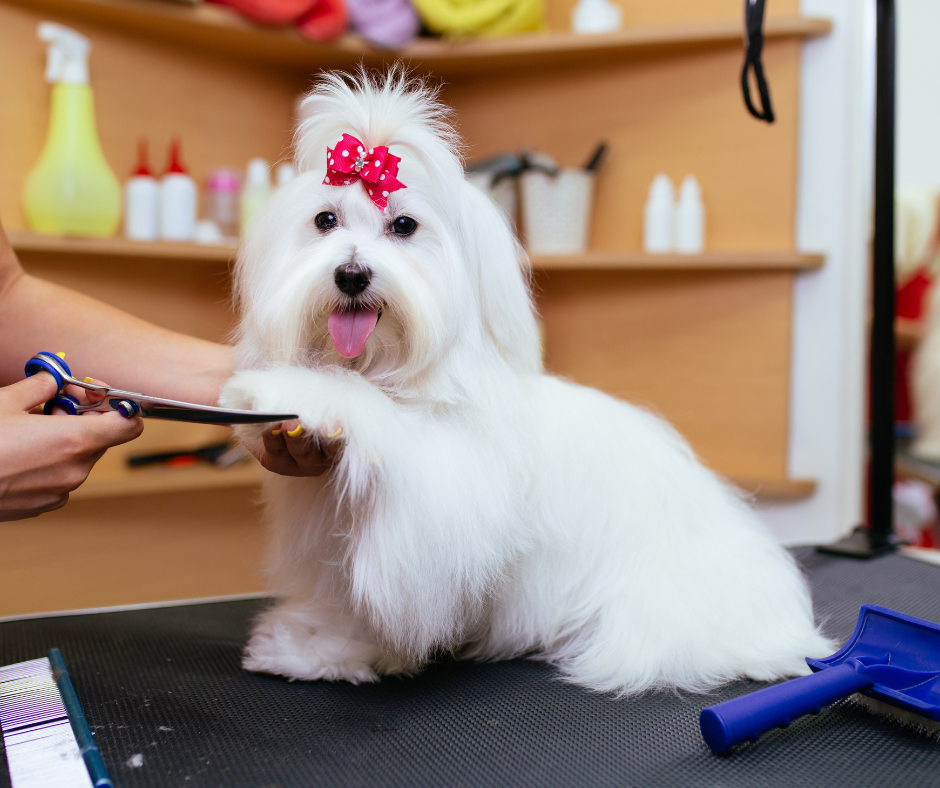
If April showers are leaving your pet with muddy paws, a damp coat, or that not-so-fresh springtime smell, a professional grooming visit can also help keep them clean, comfortable, and looking their best. At Forest Crossing Animal Hospital, our grooming team is here to help with bathing, coat care, ear cleaning, and overall freshening up after those rainy-day adventures in The Woodlands. Call us today or request an appointment online to schedule your pet’s professional grooming appointment.